We independently review everything we recommend. When you buy through our links, we may earn a commission. As an Amazon Associate we earn from qualifying purchases.
Best Rated Battery Booster
Best rated battery booster picks for cars, trucks, and SUVs: five jump starters with published peak amps, engine guidance, and USB charging compared.
A dead battery has a way of picking the worst possible moment. The engine turns over once, clicks, and then nothing. A battery booster, also called a jump starter or jump box, carries its own stored charge and hands it to a flat vehicle battery so the engine can turn over without a second vehicle nearby. This guide covers the best rated battery booster options for cars, trucks, motorcycles, and boats, with each pick chosen from a listing that publishes its peak amps and the engine sizes it is built to crank.
The five picks below span two different designs. Four are compact lithium packs from NOCO, a brand that dominates the jump starter aisle on Amazon US, and one is a classic lead-acid jump box from Clore that trades pocket size for a big onboard battery and thick cables. Every pick in this guide is a battery booster in the strict sense: a self-contained unit with clamps that connects directly to a vehicle battery. No pick here is a wall charger, a trickle maintainer, or a bare replacement battery.
Read the engine guidance on each pick before you buy. A booster built for a small gasoline car will not crank a large diesel truck, and a heavy-duty pack is overkill for a motorcycle. Match peak amps and the gasoline and diesel limits to the vehicle you drive most, check the clamp safety features, and keep the pack charged so it is ready when you need it.
At a Glance
NOCO Boost Plus GB40 — 1000 peak amps, for gasoline engines up to 6.0L and diesel engines up to 3.0L, up to 20 jumps per charge, compact lithium pack with a 100-lumen LED light.
NOCO Boost XL GB50 — 1500 peak amps, for gasoline engines up to 7.0L and diesel engines up to 4.5L, up to 30 jumps per charge, with a 200-lumen LED light.
NOCO Boost HD GB70 — 2000 peak amps, for gasoline engines up to 8.0L and diesel engines up to 6.0L, up to 40 jumps per charge, with a 400-lumen LED light.
NOCO Boost Pro GB150 — 3000 peak amps, for gasoline engines up to 9.0L and diesel engines up to 7.0L, up to 80 jumps per charge, with a 500-lumen LED light.
Clore Jump-N-Carry JNC660 — 1700 peak amps from a 22Ah lead-acid battery, with a built-in voltmeter, 46-inch cables, and a 12V DC outlet.
The GB40 is the pick for glovebox carry in a car or SUV. The GB50 and GB70 step up the cranking muscle for larger SUVs and light trucks. The GB150 is the heavyweight of the lithium group, built for big gasoline V8s and larger diesels. The JNC660 is the garage pick: heavier and bulkier, but its lead-acid design and long cables suit a home workshop where the pack stays on a shelf between uses.
How to Choose
Peak amps and engine size. Peak amps are the headline number on every jump starter listing, and they are the first figure to compare. A gasoline engine needs fewer cranking amps than a diesel of the same size, because diesel engines run higher compression and use glow plugs. Check both numbers on the listing: the gasoline limit and the diesel limit. Buy a pack whose limits cover your largest engine with room to spare. A pack that is barely adequate on a warm day may fall short on a cold morning when a battery is at its weakest.
Lithium or lead-acid. Lithium packs are light, compact, and easy to carry in a glovebox or door pocket. They hold a charge for months on a shelf and recharge through USB. Lead-acid jump boxes are heavier and larger, but they use a familiar battery chemistry, carry thick cables, and often include a voltmeter and a 12V outlet. Choose lithium for carry-in-the-vehicle use and lead-acid for a garage or shop where weight does not matter.
Clamp safety. Look for spark-proof clamps and reverse-polarity protection. Spark-proof clamps keep the connection safe if the clamps touch each other, and reverse-polarity protection guards against hooking the clamps up backwards. NOCO calls its system UltraSafe, and every NOCO pick in this guide carries it. Read the clamp instructions in the box before the first use, and keep the clamps clean and dry.
Jumps per charge. Listings publish how many jumps a full charge supports. The number is a maker figure for a healthy battery in mild conditions, so treat it as a guide rather than a promise. A pack that supports 20 jumps per charge covers months of occasional use, while a pack that supports 80 jumps suits a household with several vehicles or a small fleet.
Recharge time and USB charging. Lithium packs recharge through USB, and the listing states how long a full recharge takes. The GB40 recharges in about 3 hours, the GB50 in about 5 hours, the GB70 in about 6 hours, and the GB150 in about 7 hours. A pack that recharges from a USB port can top up from a car charger or a wall adapter you already own. The JNC660 recharges from a wall outlet through its built-in automatic charger.
Weight and storage. A lithium pack in the 2 to 8 lb range slips into a glovebox or under a seat. The JNC660 weighs 18 lb and is a carry-by-the-handle tool. Think about where the pack will live: a glovebox pack must be small, while a garage pack can be large. Keep any jump starter where you can reach it without digging through a loaded trunk.
LED light and extras. A built-in LED light turns a night-time jump into a manageable job. The NOCO packs include a light with several modes, and the brightness rises with the model: 100 lumens on the GB40, 200 on the GB50, 400 on the GB70, and 500 on the GB150. The JNC660 adds a voltmeter that shows the state of its own battery and a 12V DC outlet for accessories.
The GB40 is the most popular jump starter in this guide and the one to buy first if you drive a car or a small SUV. It delivers 1000 peak amps from a lithium pack and is built for gasoline engines up to 6.0L and diesel engines up to 3.0L. NOCO lists up to 20 jumps per charge, which covers a long stretch of occasional use between recharges. The pack weighs 2.4 lb on the listing detail table, so it fits in a glovebox, a door pocket, or a small bag.
Safety is the GB40 strong point. The UltraSafe clamps are spark-proof and protected against reverse polarity, and the pack carries IP65 dust and water protection. A 100-lumen LED light sits on the body with several modes for night work. The pack recharges in about 3 hours and doubles as a USB power bank for a phone. Its one clear limit is cranking muscle: 1000 peak amps will not crank a large diesel truck, so owners of big diesels should look at the GB70 or GB150 below.
The GB50 is the middle step in the NOCO range and the sensible pick for a larger SUV or a light truck. It delivers 1500 peak amps and is built for gasoline engines up to 7.0L and diesel engines up to 4.5L. NOCO lists up to 30 jumps per charge. The pack uses a 3.15Ah cell, carries a 200-lumen LED light, and has the same UltraSafe spark-proof clamps and reverse-polarity protection as the GB40.
The GB50 recharges through USB-C in about 5 hours and includes heavy-duty jumper cables, a USB-C charging cable, and a microfiber storage bag. It also works as a USB power bank. One listing detail to note: published weights for the GB50 differ between sources, so this guide does not state a weight figure for it. Buy the GB50 if the GB40 engine limits feel tight for your vehicle but the GB70 feels like more pack than you need.
The GB70 is the pick for full-size trucks and larger diesels that still need a portable pack. It delivers 2000 peak amps and is built for gasoline engines up to 8.0L and diesel engines up to 6.0L. NOCO lists up to 40 jumps per charge from its 5,000mAh cell. The pack weighs 5.0 lb, so it is heavier than the GB40 and GB50 but still easy to carry by hand or stow under a seat.
The GB70 carries a 400-lumen LED light, the most powerful light in the range short of the GB150, and the same UltraSafe clamp protection and IP65 dust and water protection as its smaller siblings. It recharges in about 6 hours through USB. The GB70 is the sweet spot for a household with a truck and a car: enough muscle for the truck, still small enough to move between vehicles without a second thought.
The GB150 is the heavyweight lithium pick in this guide. It delivers 3000 peak amps and is built for gasoline engines up to 9.0L and diesel engines up to 7.0L. NOCO lists up to 80 jumps per charge, the highest figure in this guide by a wide margin. The pack weighs 7.5 lb on the listing, and one comparison source lists 6.4 lb instead, so confirm the weight on the live listing if it matters to you.
A 500-lumen LED light, UltraSafe clamps, reverse-polarity protection, and IP65 dust and water protection round out the package. The GB150 recharges in about 7 hours. It is the pick for work trucks, large diesels, and boats, and for anyone who wants one pack that covers every vehicle in the household. Its size and recharge time are the trade-offs: this is a serious tool, not a pocket pack.
The JNC660 is the only lead-acid pick in this guide and the only one built like shop equipment. It delivers 1700 peak amps from a 22Ah Clore Proformer battery designed for jump duty rather than deep-cycle use. The listing title states 1700 peak amps, while the detail table lists a 2,000-amp jump figure; this guide follows the title figure of 1700 peak amps.
The JNC660 holds its place with hardware the lithium packs lack: 46-inch #2 AWG cables that reach across an engine bay, a built-in voltmeter that shows the state of its own battery, a 12V DC outlet, and two USB ports. It weighs 18 lb and recharges from a wall outlet through a built-in automatic charger; Clore advises recharging after each use and every three months while idle. Clore publishes no engine displacement limit for the JNC660, so match it to your vehicle by its peak amps and cable reach rather than by a litre figure. Buy it for a garage or shop where it lives on a shelf, not for glovebox carry.
Comparison Table
Pick
Peak Amps
Gasoline Limit
Diesel Limit
Jumps per Charge
Weight
NOCO Boost Plus GB40
1000A
Up to 6.0L
Up to 3.0L
Up to 20
2.4 lb
NOCO Boost XL GB50
1500A
Up to 7.0L
Up to 4.5L
Up to 30
Not stated
NOCO Boost HD GB70
2000A
Up to 8.0L
Up to 6.0L
Up to 40
5.0 lb
NOCO Boost Pro GB150
3000A
Up to 9.0L
Up to 7.0L
Up to 80
7.5 lb
Clore Jump-N-Carry JNC660
1700A
No limit published
No limit published
Not published
18 lb
Which One Fits Your Situation
Daily driver car or small SUV. Buy the GB40. It covers gasoline engines up to 6.0L, fits in a glovebox, and recharges in about 3 hours. Its 20 jumps per charge cover a long run of occasional use.
Larger SUV or light truck. Buy the GB50 or the GB70. The GB50 covers gasoline engines up to 7.0L and diesels up to 4.5L; the GB70 covers gasoline engines up to 8.0L and diesels up to 6.0L. If your truck has a diesel engine above 4.5L, the GB70 is the call.
Work truck, large diesel, or boat. Buy the GB150. Its 3000 peak amps and 9.0L gasoline and 7.0L diesel guidance cover the largest engines in this guide, and 80 jumps per charge suit a vehicle that works hard.
Home garage or shop. Buy the JNC660. Its long cables, voltmeter, and 12V outlet suit bench work, and its lead-acid build is made to sit on a shelf and keep working for years. Keep it charged and it is always ready.
Several vehicles in one household. Buy one GB70 or GB150 and move it between vehicles. The GB70 covers most trucks and cars in a single pack; the GB150 covers everything short of commercial equipment.
FAQ
How do I know which peak amps I need?
Match the pack to your engine. Check the gasoline limit and the diesel limit on the listing, not just the peak amps number. A diesel engine needs more cranking muscle than a gasoline engine of the same size, so a pack that handles a 6.0L gasoline engine may only handle a 3.0L diesel. Buy a pack whose limits cover your largest engine with room to spare.
Can a lithium jump starter stay in a hot car?
Lithium packs tolerate normal cabin heat, but extreme heat shortens battery life over time. Store the pack out of direct sun where you can, and check its charge every few months. The JNC660 lead-acid design suits a garage shelf better than a hot trunk.
How often should I recharge a battery booster?
Recharge after every jump and top up every few months while the pack sits idle. Clore advises recharging the JNC660 after each use and every three months while idle. A pack that sits flat for a year may not crank when you need it.
What does reverse-polarity protection do?
It guards against connecting the clamps backwards. If the red clamp lands on the negative terminal by mistake, the pack blocks the connection instead of sparking or damaging the vehicle electronics. Every NOCO pick in this guide carries it.
Is a jump starter the same as a battery charger?
No. A jump starter delivers a short burst of high current to crank an engine with a flat battery. A charger refills a battery slowly over hours. A jump starter gets you moving; a charger restores the battery itself. Keep both if you maintain vehicles at home.
Final Take
The best rated battery booster for most drivers is the NOCO Boost Plus GB40: enough muscle for cars and small SUVs, small enough to live in a glovebox, and safe to use with spark-proof clamps. Step up to the GB50 or GB70 for larger SUVs and light trucks, to the GB150 for work trucks and big diesels, and to the Clore JNC660 for a garage shelf where long cables and a voltmeter matter more than pocket size. Match the engine guidance first, check the clamp safety features second, and keep the pack charged. A booster only helps if it is ready when the engine clicks instead of turning over.
9
99klik Editorial Team
We compare specs, materials and verified owner reviews before a product earns a spot. Rankings are never paid.
Affiliate disclosure. As an Amazon Associate we earn from qualifying purchases at no extra cost to you. Prices accurate as of the date shown.
Galaxy Z Flip vs Galaxy S20 Ultra compared on display, cameras, battery and size, with five Amazon Renewed picks to help you choose the right 2020 Samsung.
Best Japanese vegetable cleaver guide: five nakiri knives compared on steel, edge angle, handle and weight, so you can pick the right one for produce prep.
What is a UPS battery? It is the sealed lead-acid battery inside a UPS that keeps devices running during an outage. See how it works and the best 12V 9Ah picks.
Does RV battery work directly offf batery or throungh nverter? DC loads run off the battery; AC loads need an inverter. See five 12V 100Ah RV batteries.
Can one replace the battery in a t900 tablet? Yes — the Galaxy Tab Pro 12.2 SM-T900 uses a 9500mAh cell. See five replacement kits and what the swap involves.
The best metals for earth battery builds are copper, magnesium, and aluminum-zinc. Compare voltage pairs and forms, and how long each metal lasts in soil.
Best THC batteries nectar collector picks: three 510-thread batteries with adjustable voltage, USB-C charging, and LED displays for standard attachments.

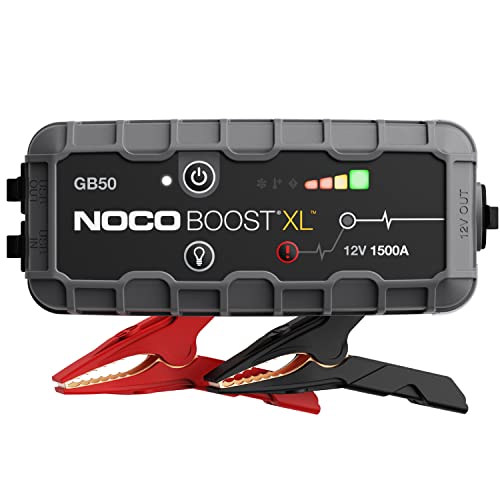 2. NOCO Boost XL GB50
 3. NOCO Boost HD GB70
 4. NOCO Boost Pro GB150