Key takeaways
- Find the best saws for cutting trees, from gas and battery chainsaws to manual bow saws. Compare bar length, power, reach and safety before you buy today.
Introduction
The best saws for cutting trees depend on the size of the tree, the kind of cutting you plan to do, and how much power you want to handle. A saw that is ideal for felling a mature hardwood is very different from a saw that is ideal for limbing a fallen branch or clearing a small sapling. Choosing the wrong type can make the work slower, harder, and less safe. This guide focuses on saws built for tree work: gas chainsaws, battery chainsaws, and manual bow saws designed to cut through trunks and thick limbs.

Quick answer: for most homeowners, a 16-inch or 20-inch chainsaw covers the widest range of jobs, from felling small to medium trees to cutting firewood and clearing storm damage. A smaller battery chainsaw suits limbing and light cutting, while a folding bow saw is a useful manual backup for small trunks and trail clearing.
This guide is different from a garden pruning guide. The related article on this site, “4 Best Hand Prunning Saws for Gardens,” covers short handheld pruning saws for garden shrubs and small branches. The saws in this article are for cutting trees: felling trunks, bucking logs, limbing large branches, and clearing fallen trees.
Quick Picks
| Pick | Type | Bar or Blade Length | Best For |
|---|---|---|---|
| Husqvarna 455 Rancher | Gas chainsaw | 20 inches | Felling medium trees and cutting firewood |
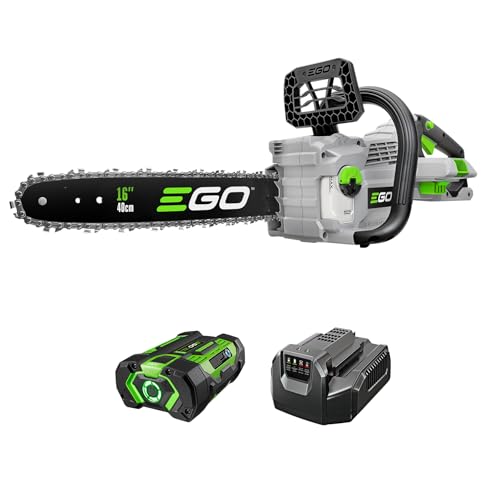
| EGO Power+ CS1611 | Battery chainsaw | 16 inches | Homeowner tree cutting without gas and fuel mixing |
| DEWALT DCCS620P1 | Battery chainsaw | 12 inches | Limbing, small trees, and light cleanup |
| AGAWA BOREAL21 | Folding bow saw | 21 inches | Manual cutting, trail work, and portable tree cutting |
How to Choose the Best Saws for Cutting Trees
Choosing a saw for cutting trees starts with an honest look at your trees. Measure the diameter of the trunks you expect to cut, think about whether the trees are standing or already down, and consider how far you will carry the saw.
Match Bar Length to Trunk Diameter
Bar length is the most practical starting point. As a general guide, the bar should be at least as long as the diameter of the trunk you plan to cut in a single pass, although experienced cutters can work around a larger trunk with careful cuts from both sides. A 12-inch bar suits small trees, saplings, and limbs. A 16-inch bar covers many homeowner trees and much firewood work. A 20-inch bar handles medium trunks and larger logs with more confidence. A longer bar adds reach, but it also adds weight and length, which makes the saw harder to control in tight brush.
Choose a Power Source That Fits Your Work
Gas, battery, and manual power each suit a different kind of tree work. A gas chainsaw delivers sustained power for long sessions, large trunks, and remote work where charging is not available, and it is the usual choice for regular firewood cutting and land clearing. A battery chainsaw starts with a button or trigger, runs quieter than a gas saw, needs no fuel mixing, and suits homeowners who cut occasionally and want less maintenance. Its cutting time is limited by battery charge, so it suits shorter jobs and limbing better than all-day felling. A manual bow saw needs no fuel, battery, or charging, and it is quiet and simple to maintain. It suits small trunks, trail clearing, and backup use, but it is slow on large trunks and demands real physical effort.
Consider Weight, Balance, and Handling
Weight matters more on a tree saw than on many other tools because you hold the saw away from your body, often at awkward angles, and you may work for an hour or more. A heavy gas chainsaw can tire your arms and shoulders, especially when you are limbing overhead or cutting at chest height. A lighter battery chainsaw or manual bow saw is easier to carry along a trail or around a property, and easier to control for a shorter or less experienced cutter. Balance matters as much as total weight: a nose-heavy saw pulls forward and makes straight cuts harder, while a balanced saw tracks better through the wood.
Look at Chain Speed, Tooth Design, and Cutting Efficiency
On a chainsaw, chain speed and chain design affect how quickly the saw moves through wood. A faster chain generally cuts faster in softwood and smaller limbs, while a well-designed chain with sharp cutters and good chip clearance stays efficient in hardwood and green wood. On a manual bow saw, tooth design matters in a similar way: aggressive teeth clear sawdust and cut green wood quickly, while finer teeth can give a smoother cut in dry wood. For any saw, a sharp chain or blade is more important than a small difference in rated power. A dull chain forces you to push harder, increases vibration, and raises the risk of kickback.
Check Safety Features Before Anything Else
Tree cutting is one of the most hazardous kinds of home yard work, so safety features deserve close attention. On a chainsaw, look for a chain brake that stops the chain quickly, a chain catcher, a hand guard, and a throttle lockout that prevents accidental acceleration. A low-kickback chain and bar can reduce the risk of the bar tip catching and kicking back toward you. On a manual bow saw, look for a rigid frame that holds the blade under tension, a comfortable grip that keeps your hand clear of the blade, and a blade guard for storage. Safety features do not replace safe practice. Always wear eye and hearing protection, gloves, sturdy boots, and a helmet, keep bystanders away, plan an escape route before a felling cut.
Think About Maintenance, Fuel, and Storage
A tree saw is only useful if it is ready when a tree comes down, so think about the upkeep each type needs. A gas chainsaw needs fuel mixed to the maker’s ratio, bar oil, air filter cleaning, spark plug care, and proper storage so fuel does not go stale. A battery chainsaw needs the battery charged and stored in a dry place, the chain kept sharp and oiled, and the bar kept clean. A manual bow saw needs the blade kept dry and sharp, the frame checked for tension, and a spare blade on hand if you cut often.
The Best Saws for Cutting Trees Reviewed
Husqvarna 455 Rancher Gas Chainsaw — Best for Felling Medium Trees and Firewood
The Husqvarna 455 Rancher is a gas chainsaw built for serious homeowner tree work, with a 20-inch bar and a 55.5cc engine rated at 3.5 horsepower. That combination gives it the capacity to fell medium trees, buck large logs into firewood lengths, and clear fallen trees after a storm. The 20-inch bar covers a wide range of trunk diameters in a single cut, and the gas engine provides sustained power for long sessions without a battery to recharge. For a property owner who heats with wood or clears land, this is the most capable saw in this guide.
Husqvarna lists several features aimed at making a large gas saw easier to live with. Smart Start is designed to make starting easier, the side-mounted chain tensioning system is positioned for easier slack adjustment, and LowVib technology is designed to reduce vibration during cutting. The saw uses a 50:1 fuel mix, and the listed weight is 13.2 pounds, so it is a substantial tool to carry.
EGO Power+ CS1611 Battery Chainsaw — Best Battery Saw for Homeowner Tree Cutting
The EGO Power+ CS1611 is a 16-inch battery chainsaw that includes a 56V 2.5Ah battery and charger, and it is a good middle ground for homeowners who want real tree-cutting capacity without gas. The 16-inch bar handles many homeowner trees, larger limbs, and firewood logs, while the battery platform removes fuel mixing, pull starting, and exhaust fumes from the job. You charge the battery, fit the bar and chain, check the oil, and start cutting. That simplicity makes it easier to pick up for a weekend job and easier to store than a gas saw.
A 56V platform is designed to deliver the kind of power that used to need a small gas engine for this size of bar. The CS1611 suits felling small to medium trees, bucking logs, and cutting up fallen branches, and it is useful for clearing a tree that has come down across a driveway or fence. The trade-off is runtime: heavy cutting in hardwood will use the charge faster than light limbing, so a spare battery is worth considering for a long session.
As a partial-fit note, this saw is a homeowner battery saw, not a professional felling saw for large trees or all-day commercial work. It will handle the trees most homeowners face, but it is not the right tool for a very large hardwood. For that work, a larger gas saw such as the Husqvarna 455 Rancher is a better match.
DEWALT DCCS620P1 20V MAX XR Chainsaw Kit — Best for Limbing and Small Trees
The DEWALT DCCS620P1 is a 12-inch battery chainsaw kit that includes a 20V MAX 5-Ah lithium-ion battery, a charger, and a hard bar cover. Its 12-inch bar makes it the most compact chainsaw in this guide, and that compact size is its main strength. It is easy to carry, easy to position in tight brush, and well suited to limbing a felled tree, cutting small trees and saplings, trimming large branches, and clearing light storm debris. If you already use DEWALT 20V MAX tools, the shared battery platform is an added convenience.
The kit is a complete starting package, so you do not need to buy the battery, charger, or bar cover separately. The 20V platform is lighter and more compact than a 56V platform, and the saw is easier for a shorter or less experienced cutter to control.
As a partial-fit note, the 12-inch bar is a real limit, and it should be stated plainly. This saw is not a felling saw for medium or large trees, and it is not the right choice for cutting large firewood logs. It is a limbing and small-tree saw, and it works best when used for the jobs its bar length suits. If your main job is felling a tree with a trunk wider than the bar, choose the 16-inch EGO or the 20-inch Husqvarna instead.
AGAWA BOREAL21 Folding Bow Saw — Best Manual Saw for Portable Tree Cutting
The AGAWA BOREAL21 is a 21-inch folding bow saw, and it is the manual pick in this guide. Unlike a fixed bow saw, it folds into a compact shape for carrying, which makes it useful for trail work, camping, hunting, and clearing small trees where you do not want to carry fuel, a battery, or a heavy gas saw. The 21-inch blade gives it real cutting capacity for a manual saw: it can cut small to medium trunks, clear saplings, and cut fallen limbs into manageable lengths. The rigid frame holds the blade under tension, which helps the blade track straight.
A folding bow saw is a different kind of tool from a chainsaw, and it should be judged on its own terms. It is quiet, it needs no fuel or charging, and it is simple to maintain. It is also slower than a chainsaw and demands physical effort on every stroke, so it suits shorter jobs and smaller wood rather than all-day felling. The frame folds for transport and the blade can be replaced when it becomes dull.
As a partial-fit note, this is a manual saw, so it will not match a chainsaw on a large trunk or a large pile of firewood. It is best for small to medium trees, trail clearing, and portable work, and it works well as a backup saw to carry alongside a chainsaw. If you need to fell a large tree quickly, a chainsaw is the right tool.
What to Check Before You Buy
Before you buy a saw for cutting trees, check the size of your trees, the power source that fits your work, and the safety gear you will need. Measure the largest trunk you expect to cut, and choose a bar or blade that can handle that diameter without forcing the saw. Check whether the saw includes a battery and charger, or whether those are sold separately, and check what kind of fuel, oil, and chain the saw needs.
Check the chain or blade as well. Confirm the bar length, chain pitch and gauge, or the blade length and tooth pattern, and confirm that replacement chains or blades are easy to find. Check the chain tensioning system, the chain brake, and the hand guard on a chainsaw, and the frame tension and blade guard on a bow saw. Buy eye and hearing protection, gloves, sturdy boots, and a helmet before your first cut if you do not already own them.
Frequently Asked Questions
What size saw do I need to cut down a tree?
The size you need depends on the diameter of the trunk. A 12-inch bar suits small trees and saplings, a 16-inch bar covers many homeowner trees, and a 20-inch bar handles medium trees and larger firewood logs. Measure the trunk at chest height and choose a bar at least as long as that diameter where possible.
Is a battery chainsaw strong enough to cut trees?
A battery chainsaw can cut trees, within its limits. A 16-inch battery saw on a 56V platform can fell small to medium trees, buck logs, and clear fallen branches, and it is a good choice for many homeowners. A 12-inch battery saw is better for limbing and small trees than for felling a medium tree. Battery runtime depends on the size of the battery and the hardness of the wood.
Can I cut a tree with a bow saw?
Yes, you can cut a small to medium tree with a bow saw, and a 21-inch folding bow saw is a practical tool for that job. It is quiet, portable, and simple to use, and it needs no fuel or battery. It is slower than a chainsaw and requires steady physical effort, so it suits small trunks, trail clearing, and occasional cutting rather than large trees or large amounts of firewood.
What is the difference between a tree saw and a garden pruning saw?
A tree saw is built to cut trunks and thick limbs, with a longer bar or blade, more power, and a frame or engine designed for heavy wood. A garden pruning saw is a short handheld saw built for shrubs, small branches, and fine pruning work. The garden saw is too small and too slow for most tree trunks, and a tree saw is too large for delicate pruning.
Do I need safety gear to cut a tree?
Yes. Wear eye and hearing protection, gloves, sturdy boots, and a helmet when you fell or limb a tree, and wear leg protection designed for chainsaw use when you operate a chainsaw. Keep bystanders and pets well away, plan an escape route before you make a felling cut, and never cut above shoulder height. If the tree is near a building, road, or power line, or leaning in an unsafe direction, hire a professional tree service.
Bottom Line
The best saws for cutting trees are the ones that match the size of your trees and the way you work. For felling medium trees and cutting firewood, the Husqvarna 455 Rancher with its 20-inch bar is the most capable pick in this guide. For homeowner tree cutting without gas, the EGO Power+ CS1611 with its 16-inch bar is a strong balance of capacity and convenience. For limbing, small trees, and light cleanup, the DEWALT DCCS620P1 is easy to carry and easy to control. For manual, portable cutting on small to medium trees, the AGAWA BOREAL21 folding bow saw is a practical backup that needs no fuel or battery.
Disclosure: As an Amazon Associate, we may earn from qualifying purchases.