We independently review everything we recommend. When you buy through our links, we may earn a commission. As an Amazon Associate we earn from qualifying purchases.
4 Best Brake Cleaner Sprays for Shop Use (November 2026)
Four brake cleaner sprays compared on formula, can size and spray reach, from a chlorinated 19 oz shop can to low-VOC picks for home garage brake work.
Four brake cleaner sprays compared on formula, can size and spray reach, from a chlorinated 19 oz shop can to low-VOC picks for home garage brake work.
Choosing a brake cleaner spray is really a decision about chemistry and local rules, not about the label on the can. A chlorinated formula cuts baked-on grease from bare metal faster than anything else on the shelf, yet it may be restricted where you live and it is the wrong thing to spray near painted or plastic parts. A non-chlorinated can is easier to buy in more states and gentler to work around, but it usually needs more spray and more dwell time on heavy contamination.
OUR TOP PICK
CRC Brakleen Brake Parts Cleaner Spray, Non-Flammable, 19 oz
This comparison is for home mechanics doing pad and rotor work in a driveway or garage, small shop owners who go through cans every week, and anyone maintaining an older vehicle with drum brakes. Every pick below was chosen from the name and specifications printed on its Amazon listing, including formula type, net fill, and the brake parts the maker says it cleans.
Quick Picks
As an Amazon Associate we earn from qualifying purchases.
Product
Best for
Key spec from title
CRC Brakleen Non-Flammable, 19 oz
Heavy contamination on bare metal parts
Chlorinated, non-flammable, 19 oz
CRC Brakleen 05050 PowerJet, 14 oz
Flushing caliper brackets and backing plates
Non-chlorinated 50-state formula, 14 oz
CRC Brakleen Non-Chlorinated Low VOC, 14 oz
Buyers in states with strict VOC rules
Low-VOC, chlorine-free, 14 oz
Lucas Oil 10906, 14 oz
One can kept on hand for occasional jobs
Non-chlorinated, 14 oz
How to Choose
Chlorinated or Non-Chlorinated Formula
This is the first fork in the road. Chlorinated brake cleaners, built on solvents such as tetrachloroethylene, attack grease, oil, and old brake fluid aggressively and dry almost on contact, which is why busy shops keep reaching for them. The trade-off is handling: chlorinated spray belongs on bare metal only, away from heat sources and welding, and some states restrict its use. Non-chlorinated formulas lean on solvents like acetone and heptane instead. They are flammable, evaporate a little slower, and sometimes need a second pass, but they suit a wider range of garages and buyers who want to avoid chlorinated chemistry entirely.
State VOC Rules Decide What You Can Buy
Brake cleaner is one of the most heavily regulated cans in the garage. Several states cap the volatile organic compound content allowed in brake cleaners, and some chlorinated formulas cannot be sold for use in particular states at all. That is why two cans from the same brand can look nearly identical yet carry different labels: one is a standard formula, the other a low-VOC or 50-state version blended to stay within the strictest limits. Before ordering any can, confirm the listing matches your state’s rules, because a cleaner that is legal in one state may be restricted in the next.
Can Size and How Far One Can Goes
Most brake cleaner sprays cluster between 13 and 20 ounces of net fill, and the difference matters more than it sounds. A single corner with light dust may take only a few short bursts, while a full four-corner job on a neglected vehicle, plus flushing caliper brackets and backing plates, can empty most of a 14-ounce can. Larger 19-ounce cans suit trucks, drum brake work, and anyone cleaning parts on a bench. If you service brakes often, think in terms of cans per month rather than cans per job, and pick the size that matches that rhythm instead of the smallest can on the shelf.
Spray Pattern, Actuator, and Reach
Brake work happens in tight spaces: behind rotors, inside drum assemblies, around caliper brackets caked with dust. A cleaner with a forceful, directed stream can flush contamination out of those pockets without dismantling everything first, and it wastes less product than a wide fog that coats the whole wheel well. Some cans add a straw or a high-output actuator for exactly this reason. Consider also how the can behaves at angles, since you will often spray upward or sideways. A can that keeps spraying evenly when tilted is worth more in real use than a slightly larger can that sputters.
Shops and experienced home mechanics cleaning heavily contaminated bare metal brake parts.
Watch out for
The listing notes this formula cannot be sold for use in California or New Jersey, and chlorinated spray should be kept away from painted surfaces and heat.
This is the can to reach for when brake parts come off the car genuinely filthy. The listing describes a chlorinated formula that removes grease, brake dust, brake fluid, and oils from brake parts, linings, and pads, and it is labeled non-flammable, which changes how comfortably it can be used around a working shop. The 19-ounce fill is the largest in this group, so one can covers a full set of corners with product to spare for bench cleaning. It is a bare-metal tool, though, and the listing’s own restrictions underline that it is not a casual, spray-everything cleaner.
CRC built this version around its PowerJet spray, and that delivery is the reason to pick it over a standard can. The listing presents a non-chlorinated formula blended to a 50-state standard, so it sidesteps many of the regional restrictions that follow chlorinated cleaners, while the stronger stream is meant to flush dust and fluid out of caliper brackets and hardware without scrubbing every piece. At 14 ounces it is a mid-size can, best treated as one can per vehicle rather than a month of shop supply. Buyers who want CRC cleaning strength in a formula they can order in more states will find this the middle ground.
When the deciding factor is your state’s air rules rather than cleaning strength, this is the CRC can designed for you. The listing describes a non-chlorinated, low-VOC formula in a 14-ounce can, with a residue-free finish, aimed at buyers who need a chlorine-free cleaner for drums, calipers, and clutch discs. It gives up the raw aggression of the chlorinated 19-ounce version in exchange for a formula that fits far more regulatory situations and is easier to justify keeping in a home garage. Treat it as the compliance-first pick: the can to buy when the standard formulas are hard to source locally or restricted outright.
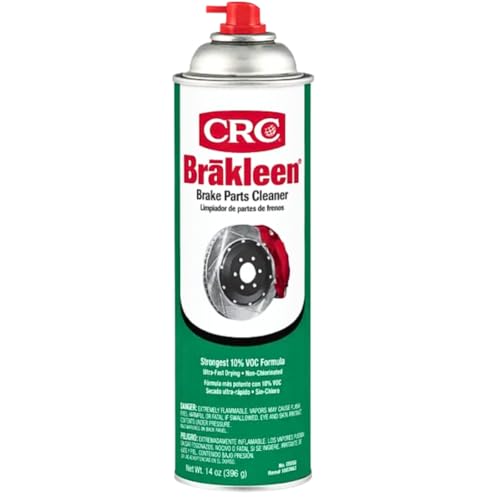
Lucas Oil’s entry is the straightforward single can for the occasional brake job. The listing describes a 14-ounce non-chlorinated aerosol that removes brake fluid, grease, and dust from brake linings, pads, cylinders, springs, and drums, and the maker lists it as made in the United States. Nothing about it is specialized: no oversized fill, no regional formula variant to decode, just a standard-size can from a brand most parts counters stock. That simplicity is the appeal for a driver who changes pads once or twice a year and wants one can that covers the cleaning step without research into solvent families or state formula charts.
Which One Fits Your Situation
A Full Four-Corner Brake Job in Your Driveway
Start with the CRC Brakleen 05050 PowerJet. A complete pad and rotor change generates dust at every corner, and the stronger stream clears brackets and backing plates without disassembling more than the job requires. Its non-chlorinated 50-state formula is also the easiest of these cans to order in most states, which matters when the parts are already on the jack stands.
A Small Shop That Burns Through Cans Weekly
The 19-ounce CRC Brakleen Non-Flammable fits your rhythm. The bigger fill means fewer can changes mid-job, and the chlorinated formula handles the greasy, fluid-soaked parts that arrive on older vehicles. Confirm your state allows its use, store it away from welding and grinding sparks, and reserve it strictly for bare metal work on the bench and at the lift.
You Live Where VOC Rules Are Strict
Choose the CRC Brakleen Non-Chlorinated Low VOC can. It was blended for exactly your situation, with a chlorine-free, low-VOC formula and a residue-free finish, so you are not guessing whether a standard can complies with local limits. Accept the slightly slower work on heavy grease as the cost of a formula you can actually buy and use at home.
One Corner, One Afternoon, Nothing Ongoing
The Lucas Oil 10906 is the can to keep on the shelf. A single 14-ounce non-chlorinated can covers a pad swap with cleaning to spare, and there is no formula variant to research before ordering. It suits the driver who does brakes occasionally and simply wants the cleaning step handled with a familiar name.
Common Mistakes
Spraying every nearby surface instead of only the brake parts; brake cleaner can damage paint, some plastics, and rubber boots, so mask or shield anything you do not intend to clean.
Ignoring state rules and ordering a formula that is restricted where you live, then discovering the restriction only when the shipment is refused or the can cannot be used.
Using a chlorinated cleaner near welding, grinding, or an open flame; chlorinated solvents and high heat are a dangerous combination and the work areas should stay separated.
Flooding pads and rotors and reassembling immediately, instead of letting the cleaner flash off fully so the friction surfaces start dry.
Buying the smallest can for a four-corner job and running out mid-way, leaving one axle cleaned with brake cleaner and the other wiped down with whatever is on the bench.
Frequently Asked Questions
What is the real difference between chlorinated and non-chlorinated brake cleaner?
Chlorinated formulas use solvents such as tetrachloroethylene, clean aggressively, dry very fast, and are non-flammable, but they are restricted in some states and belong only on bare metal. Non-chlorinated versions rely on solvents like acetone, are flammable, and may need an extra pass on heavy grease, while fitting more state rules and everyday garage situations.
Can I clean brakes without taking everything apart?
Yes, within limits. These sprays are designed to flush dust, fluid, and grease from assembled brakes, and listings describe cleaning without disassembling the unit. Spraying still works best with the wheel removed and the parts exposed, and heavily contaminated hardware deserves removal and a bench cleaning rather than repeated spraying in place on the vehicle.
Is brake cleaner safe on rubber seals and plastic parts?
It depends on the formula, and the label is the authority. Non-chlorinated sprays can attack some plastics and should be kept off rubber boots and painted finishes unless the listing says otherwise. Chlorinated cleaner is a bare-metal product. When a boot, hose, or sensor sits in the spray path, shield it first rather than testing its resistance.
How many cans do I need for a complete brake job?
For a typical passenger car, one 14-ounce can usually covers a four-corner pad change with normal dust levels. Trucks, drum brakes, and parts that need bench flushing push consumption up, which is where a 19-ounce can earns its place. If you maintain several vehicles, plan on roughly a can per vehicle rather than stretching one can across all of them.
9
99klik Editorial Team
We compare specs, materials and verified owner reviews before a product earns a spot. Rankings are never paid.
Affiliate disclosure. As an Amazon Associate we earn from qualifying purchases at no extra cost to you. Prices accurate as of the date shown.
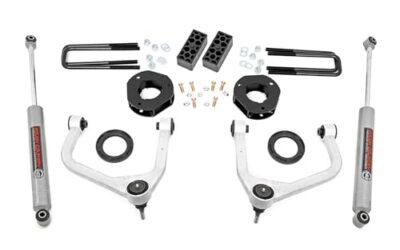
Compare four suspension kits for the Chevy Silverado 1500, from a 2 inch front leveling kit to a 6 inch lift, with fitment years and box contents checked.
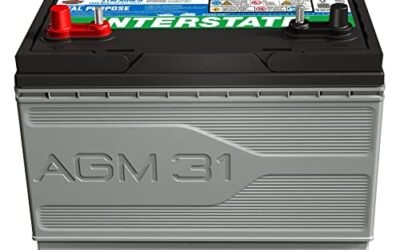
Four 12 volt marine batteries compared by role, group size, capacity and cranking figures, with charger and tray checks taken from each Amazon listing.
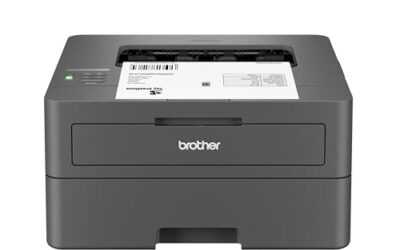
Compare three home laser printers for crisp black-and-white documents, wireless printing, duplex options, scanning, and paper capacity for small spaces.
Five prebuilt gaming computers with RTX graphics, fast memory, and roomy SSDs compared side by side, so you can match a desktop to your games and desk.
Discover the best smartwatches for iPhone under 200 with long battery life, built-in GPS and health tracking for everyday fitness on iOS. Top picks compared.
Explore the best 8K video cameras for filmmakers and hybrid shooters, with full-frame sensors, RAW recording, reliable autofocus and pro codecs. Compared.
Best race bike tyres 2: a second, tubeless-ready roundup covering the Continental GP5000 S TR, Schwalbe Pro One TLE, Pirelli P Zero Race TLR and Vittoria Corsa Pro TLR.
A second-round guide to cheap bike helmets for adult everyday riders: four CPSC-certified value picks compared on fit, ventilation, and safety features, with sizing and buying advice — no prices, just value.



 Lucas Oil 10906 Non-Chlorinated Brake Parts Cleaner, 14 oz