We independently review everything we recommend. When you buy through our links, we may earn a commission. As an Amazon Associate we earn from qualifying purchases.
5 Best Bowhunting Arrows for Clean Shots (November 2026)
Compare five bowhunting arrows by spine, grains per inch and straightness: Easton 6.5 Bowhunter, Gold Tip Hunter XT, Easton FMJ and two Victory builds.
Compare five bowhunting arrows by spine, grains per inch and straightness: Easton 6.5 Bowhunter, Gold Tip Hunter XT, Easton FMJ and two Victory builds.
A bowhunting arrow has one job it cannot fail at: flying exactly where the pin sits when a deer steps into the lane. That outcome is decided less by the bow than by whether the shaft’s spine, weight, and diameter match the setup, because a mismatch shows up as porpoising flight, wide broadhead groups, or a hit that lands inches from the aim point. Choosing arrows is therefore a matching exercise, not a search for the most expensive dozen on the shelf.
This guide is for compound bowhunters preparing for deer season, elk hunters building heavier setups, and newer archers replacing a first set of arrows. Every pick below is a complete fletched hunting arrow sold on Amazon, selected from the spine, weight, diameter, and pack details printed on its own listing, so the comparison rests on published numbers rather than marketing claims.
Quick Picks
As an Amazon Associate we earn from qualifying purchases
Product
Best for
Key spec from title
Easton 6.5 Bowhunter 340
Everyday whitetail hunting
340 spine, 9.3 GPI ACU-Carbon
Gold Tip Hunter XT 340
Seasons of hard use
Smart Carbon, ±.003 in straightness
Easton FMJ 340
Elk and bear penetration
5mm alloy jacket, 11.3 GPI
Victory VAP 350 Elite
Windy open-country shots
.166 in micro diameter, ±.001 in
Victory VForce 300 Elite
Standard-diameter upgrade
.245 in diameter, ±.001 in
How to Choose
Match the Spine to Your Bow and Draw Length
Spine describes how much a shaft bends at release, and it is the first number to get right. A shaft that is too weak flexes excessively and groups erratically with broadheads; one that is too stiff can resist the bow’s natural flex pattern and fly inconsistently. Manufacturers publish charts that cross draw weight with arrow length, and a longer arrow or heavier point effectively weakens the spine you need. Start from the chart for your exact draw weight and cut length, then treat the 340 and 300 options in this list as the common ground for mid-weight and heavier hunting compounds.
Set Total Arrow Weight Before You Buy
Grains per inch, printed on every listing here, is how you predict the finished arrow. Multiply it by your cut length, then add the insert, point, nock, and fletching weights to reach total arrow weight. Lighter builds fly flatter and forgive small range errors, while heavier builds carry more momentum and quiet the bow. Many deer hunters land between roughly 400 and 500 total grains, and big-game hunters often build above that. Decide the finished weight you want first, because it rules out whole rows of a spine chart before you ever compare brands.
Choose a Diameter Class That Fits Your Hunting
Shafts in this guide fall into three families. Standard 6.5mm arrows like the Easton Bowhunter and Gold Tip Hunter XT use common direct-fit components and shrug off hard use. The 5mm FMJ trims frontal area and adds mass for penetration. Micro .166-inch shafts like the Victory VAP cut wind drift on open ground but need smaller, less common inserts and half-outs. Diameter also changes how an arrow behaves in a crosswind and how it pulls from targets. Pick the class that matches your terrain and your tolerance for specialty parts, then compare models inside it.
Read the Tolerance and the Box Contents
Straightness tolerance is the quiet number that separates hunting grades: ±.006 inch is serviceable, ±.003 inch tightens broadhead groups, and ±.001 inch is match-grade sorting. Weight tolerance matters the same way, since arrows that vary by several grains cannot group identically. Finally, read what the box actually holds. Some packs here are fletched arrows with inserts and nocks included, while others in the wider market are bare shafts that still need components and a fletching jig. A pack that arrives complete is worth more to a hunter counting weekends before the opener than its headline count suggests.
The Easton 6.5 Bowhunter is the straightforward choice for hunters who want a matched carbon arrow without a long build process. The ACU-Carbon process is designed to hold spine and weight consistent from shaft to shaft, and this 340 spine suits the mid-weight compound setups most whitetail hunters run. Bully vanes and Microlite nocks come pre-installed, and the reinforced 6.5mm inserts are included in the box, so the pack moves from delivery to broadhead tuning with little bench time. Hunters who shoot one bow all season and value repeatable flight over exotic components will feel at home here.
The Hunter XT is built for hunters who measure an arrow’s worth in seasons, not weekends. Gold Tip’s Smart Carbon construction is known for surviving hard impacts and pass-throughs into dirt or timber without taking a bend, and the ±.003-inch straightness tolerance keeps broadhead groups predictable at hunting distances. This dozen pack in 340 spine carries 2-inch Raptor vanes and a ±2-grain weight tolerance, so a full set tunes alike. If your hunting ground is rocky, your targets are unforgiving, or you simply hate replacing arrows, this is the durable standard-diameter pick.
When the shot has to punch through a shoulder on elk, bear, or a big northern whitetail, the FMJ’s extra mass does the work. A carbon core wrapped in a 7075 alloy jacket produces an 11.3 grains-per-inch shaft in a slim 5mm profile, a combination that carries momentum downrange while slipping through crosswinds better than standard-diameter arrows. The slick alloy surface also pulls from foam targets with noticeably less effort. X nocks come pre-installed and HIT inserts are included. Hunters building a heavy, hard-hitting arrow on purpose will find this the most purposeful shaft in the list.
The VAP is the pick for hunters whose shots happen in open country, where wind pushes wide shafts off line. Its .166-inch micro diameter presents far less surface to a crosswind, and the Elite ±.001-inch straightness tolerance supports the long, careful shots spot-and-stalk hunters practice for. This 350 spine six-pack arrives fletched and ready to build with micro-diameter components. The slim profile also reduces friction on pass-throughs. Choose it if your terrain is exposed, your ranges stretch past the treestand norm, and your bow is already tuned well enough to reward a precision shaft.
The VForce hunting build suits hunters who want Elite-grade tolerances without leaving the familiar standard-diameter platform. At .245 inch it accepts the direct-fit inserts and nocks most shops stock, and the ±.001-inch straightness tolerance is the tightest Victory lists in this diameter class. This 300 spine six-pack comes vane-fletched, which holds up well in wet weather and repeated quiver use. It is a sensible upgrade for a hunter moving from entry-level arrows who wants broadhead flight they can trust, while keeping component shopping simple and avoiding the specialty parts micro shafts demand.
Which One Fits Your Situation
Treestand Whitetails Inside 30 Yards
Most treestand shots are close, slightly downward, and taken at deer that may move at the release. The Easton 6.5 Bowhunter fits this work: a common 340 spine, standard components, and a six-pack that arrives fletched and ready to tune. Its mid-weight build keeps trajectory manageable at woods ranges, and replacements are easy to match when a shaft is lost in the leaves.
Elk, Bear, or Moose at Any Range
Bigger animals put bone and thick muscle between the broadhead and the vitals, so momentum matters more than raw speed. The Easton FMJ is the deliberate choice here, since its alloy-jacketed 11.3 grains per inch builds a heavy finished arrow that holds energy downrange. Pair it with a fixed-blade head and confirm your pins, because a heavier arrow drops faster past 40 yards.
Open-Country Spot and Stalk
Western hunts mean longer shots, steady crosswinds, and few second chances. The Victory VAP answers with a .166-inch micro diameter that drifts less and an Elite straightness tolerance that supports careful shooting at distance. It asks more of your tuning and uses less common components, so it suits experienced hunters who practice at range all summer rather than occasional shooters.
Replacing a First Set of Arrows
If your first arrows came bundled with the bow, almost anything here is a step up, but the Victory VForce and Gold Tip Hunter XT make the transition easiest. Both keep standard-diameter components, so shop help and spare parts stay simple, while their tighter tolerances show up as smaller broadhead groups. Buy a full matched pack in one spine rather than mixing leftover singles.
Common Mistakes
Buying by spine number alone without checking the chart against your actual draw weight and cut length.
Mixing arrows of different models or spines in one quiver, then blaming the bow for scattered groups.
Assuming a fletched pack includes broadheads; every pick here still needs your own hunting heads and field points for practice.
Ignoring total arrow weight and ending up far lighter or heavier than the setup was tuned for.
Shooting a shaft after a hard impact without flexing and inspecting it first; damaged carbon should be retired, not hunted.
Frequently Asked Questions
What spine do I need for a 60-pound compound bow?
Most 60-pound compounds shooting 28- to 30-inch arrows land on a 340 spine, which is why two picks here use it. Go stiffer, toward 300, if you run long arrows or heavy points, and confirm with the manufacturer’s chart for your exact setup before ordering a full pack.
Do these arrows come with broadheads?
No. The packs in this guide are fletched arrows with nocks installed and inserts included or fitted, but hunting broadheads and practice field points are separate purchases. Match the point weight to what your setup was tuned with, commonly 100 or 125 grains, and spin-check each broadhead after assembly so it runs true on the shaft.
Can I cut these arrows to my draw length?
Yes. The shafts here ship at full stock length and are meant to be cut, usually so the broadhead sits just ahead of the rest at full draw. A pro shop with an arrow saw can cut and square a full pack in one visit, and cutting changes effective spine, so settle the length before final tuning.
How many arrows should I carry for a hunt?
A common approach is three to four arrows in the quiver for a day hunt, with the rest of the pack kept as matched spares at camp or home. That rotation keeps a full set tuned alike, covers a lost or damaged shaft, and leaves practice arrows from the same pack for confirming pins before the season.
9
99klik Editorial Team
We compare specs, materials and verified owner reviews before a product earns a spot. Rankings are never paid.
Affiliate disclosure. As an Amazon Associate we earn from qualifying purchases at no extra cost to you. Prices accurate as of the date shown.
Compare five X99 motherboards for LGA 2011-3 gaming builds, from compact Micro-ATX boards to dual-CPU E-ATX models, and pick the right fit for your build.
Compare four infrared gas grills from Amazon listings, from a four-burner Amplifire cabinet to a portable TRU-Infrared grill, with burner and size specs.
Four 1x prism sights with etched reticles compared on eye relief, reticle design, brightness settings and weight, plus a clear pick for each rifle setup.
Compare the best hand pruning saws for garden and trail work, from compact folders to pro curved blades, and pick the right blade length for your branches.
Find grass seed that grows in Ohio shade, from dense-shade mixes that need only a few hours of sun to fast-establishing blends for patchy lawns under trees.
Compare bypass pruning shears from Felco, ARS, Fiskars and gonicc by cut capacity, blade steel and grip fit, with picks for large hands and weaker grips.

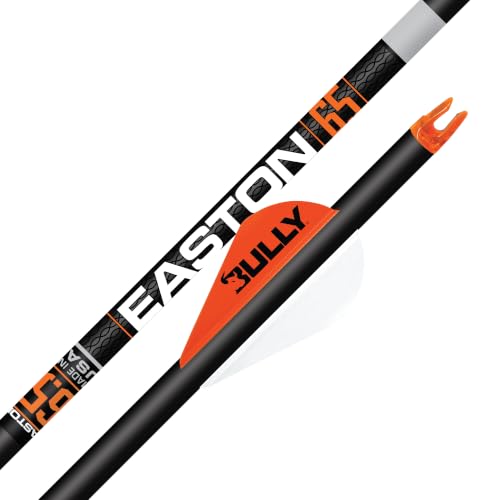


 Victory VAP Micro Diameter Hunting Arrow, 350 Spine, 6-Pack
 Victory VForce Standard Diameter Hunting Arrow, 300 Spine, 6-Pack