We independently review everything we recommend. When you buy through our links, we may earn a commission. As an Amazon Associate we earn from qualifying purchases.
3 Best Crossbows for Deer Hunting Now (November 2026)
Three crossbows for deer hunting compared on speed, draw weight, cocked width and what each package includes, plus fit guidance for blinds and stands.
Three crossbows for deer hunting compared on speed, draw weight, cocked width and what each package includes, plus fit guidance for blinds and stands.
Choosing a crossbow for deer in this class comes down to three linked calls: how much speed and energy the bow delivers, how narrow it sits once cocked, and how much effort each cocking cycle takes across a long sit. A faster bow flattens trajectory and forgives small range errors, while a slimmer front end matters more inside a ground blind or a tight treestand. Draw weight decides whether a rope cocker feels easy or becomes a chore by the third practice session.
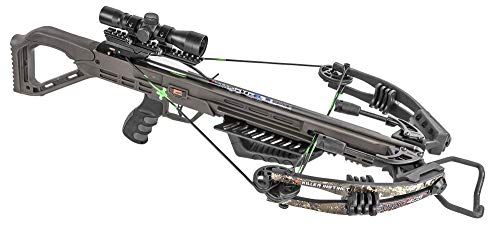
This guide suits first-time crossbow hunters, rifle hunters adding a crossbow season, and experienced hunters who want a lighter second bow. The three picks below were chosen from their Amazon listings by headline figures: the Barnett Whitetail Hunter STR at 375 FPS and 6.6 pounds, plus two Killer Instinct packages at 405 FPS, the Boss 405 bundle with a backpack case and broadheads, and the Lethal 405 Pro Package with the lower draw weight of the pair.
Quick Picks
As an Amazon Associate we earn from qualifying purchases.
Product
Best for
Key spec from title
Barnett Whitetail Hunter STR
Lightest carry to distant stands
375 FPS
Killer Instinct Boss 405 Bundle
Hunters who want a case and broadheads included
405 FPS
Killer Instinct Lethal 405 Pro Package
Easier cocking within the 405 FPS pair
405 FPS
How to Choose
Speed and Kinetic Energy for Deer
Deer hunting rewards energy that carries through the shot, not raw speed alone. The bows here run from 375 to 405 FPS and produce roughly 118 to 135 foot-pounds of energy with hunting-weight bolts, which is ample for whitetail inside 40 yards. The faster pair shoots flatter between 20 and 40 yards, so a small range misjudgment moves the hit less. Bolt weight matters too: a heavier bolt gives up a little speed but usually penetrates deeper and shoots quieter. Match bolt weight to the range the maker prints for the bow, and judge each model on the energy it keeps at hunting distance rather than the biggest number on the box.
Cocked Width and Overall Length
Width decides where a crossbow can actually be used. Both Killer Instinct bows here measure 14.75 inches axle to axle when cocked, slim enough to swing inside most ground blinds and to clear a treestand rail without lifting the bow high. Uncocked width matters on the walk in, where wide limbs catch brush and straps. Overall length shapes balance in a chair blind: a shorter bow is easier to rest on a knee or a shooting stick, while a longer bow can feel steadier offhand. Before choosing, measure the window opening of the blind you hunt from most and compare it with the cocked width of each bow.
Draw Weight and Cocking Method
Draw weight across these three runs from 187 to 220 pounds, and that spread changes the whole hunt. A rope cocker cuts the felt effort roughly in half and keeps both limbs loading evenly, which protects accuracy. Even so, a 220-pound draw grows tiring during a long practice session and feels harder with cold hands and gloves in late season. The 187-pound Barnett is the friendliest here for repeated cocking. If your shoulders or back limit you, favor the lighter draw, confirm whether the bow accepts a crank device before ordering, and practice the full cocking motion at home long before opening morning arrives.
Package Contents, Bolts and Broadheads
All three packages include a 4×32 scope, yet the rest of the box differs enough to change what you still need to buy. The Barnett ships with two arrows and a lightweight quiver. The Boss 405 bundle adds a backpack case and broadheads to its three bolts, while the Lethal 405 Pro Package carries three bolts and a quiver. Check bolt length and minimum weight against the manual, because firing a bolt that is too light can damage limbs. Match broadhead weight to the field points you practiced with, spin-check every hunting bolt, and keep rail lube in the kit from day one.
The 3 Best Options
Barnett Whitetail Hunter STR
Top Pick
Barnett Whitetail Hunter STR
Best for: Hunters who walk far and want the lightest carry in this group.
This is the carry hunter’s pick of the three. At 6.6 pounds it is the lightest bow here, and the step-through riser gives a secure place for a boot while rope cocking on uneven ground. The 375 FPS speed sits below the Killer Instinct pair, yet with a suitable bolt it still delivers energy well beyond what whitetail hunting inside 40 yards requires. The TriggerTech trigger is a genuine step up from plain triggers in this class, breaking cleanly enough to help careful shot placement. Hunters who climb, walk public land, or sit long hours with the bow across their knees will feel the low weight most.
Killer Instinct Boss 405 Bundle
Runner-Up
Killer Instinct Boss 405 Bundle
Best for: One-box buyers who want the case and broadheads included from the beginning.
The Boss 405 bundle is the most complete box here: the crossbow package arrives with a backpack case and broadheads alongside the usual scope, bolts and rope cocker, so a new hunter buys fewer extras before the season. Speed matches the Lethal at 405 FPS with 134 foot-pounds of energy, and the six-position adjustable stock lets the bow fit shooters of different builds or heavy late-season clothing. At 14.75 inches wide when cocked it stays blind-friendly. The trade-off is the 220-pound draw, the stiffest in this group, which asks for sound rope-cocking form every single time.
Killer Instinct Lethal 405 Pro Package
Killer Instinct Lethal 405 Pro Package
Best for: Blind hunters who want 405 FPS speed with a lighter draw than the Boss 405.
The Lethal 405 Pro Package splits the difference in this group: it matches the Boss at 405 FPS and 134 foot-pounds of energy, yet its 210-pound draw and longer 14.5-inch power stroke make each cocking cycle a little less demanding. The 14.75-inch cocked width suits ground blinds and tight treestand setups, and the 3.5-pound trigger pull is light for this class. It is the heaviest bow here at 7.2 pounds, which matters less for blind hunters who carry a short distance and shoot from a rest. For hunters set on 405 FPS speed who found the Boss draw heavy, this is the easier route.
Which One Fits Your Situation
Hunting From a Ground Blind
Pick one of the Killer Instinct bows. Both measure 14.75 inches wide when cocked, so the limbs clear blind windows and hub walls without forcing you to lean into awkward angles. The Lethal suits a short carry and a rested shot, while the Boss adds the adjustable stock if you share the blind with a second hunter. Either way, practice from the chair and window height you will actually hunt from before the season opens.
Walking Far to a Treestand
Take the Barnett Whitetail Hunter STR. At 6.6 pounds with the lowest draw weight here, it asks the least of you on the walk in, the climb up, and the repeated cocking of practice days. The step-through riser also makes rope cocking simpler on leaf-covered ground at the base of the tree. Its 375 FPS still covers the short, known ranges most treestand hunters shoot, where lanes are cut and distances are paced off in advance.
A First Crossbow for Deer Season
The Boss 405 bundle shortens the shopping list: case, broadheads, bolts, scope and rope cocker all arrive together, so a new hunter can move straight to assembly and practice. The adjustable stock helps the bow fit properly, which matters more for accuracy than any single speed figure. Budget practice time for the 220-pound draw, learn the rope cocker slowly at home, and confirm your hunting bolts group with the broadheads fitted well before opening day.
Sharing One Bow Between Two Hunters
The Boss 405 is again the natural fit because its six-position stock adjusts overall length from 33.5 to 36 inches, letting two shooters of different sizes keep a proper cheek weld and eye position behind the same scope. Agree on one bolt and broadhead combination so the point of impact stays shared, mark the stock position each hunter uses, and reset it at every swap. The included case also keeps the bow protected when it travels between two households.
Common Mistakes
Choosing by FPS alone and ignoring cocked width, then finding the limbs will not clear the blind window.
Firing bolts that are shorter or lighter than the minimum the maker prints for the bow.
Practicing all summer with field points, then hunting with broadheads of a different weight without checking zero again.
Leaving the bow cocked for days between hunts instead of following the manual on how long it may stay drawn.
Skipping rail lube and string wax, which shortens string and serving life and can shift accuracy late in the season.
Frequently Asked Questions
How much speed does a deer hunter need from a crossbow?
For whitetail inside 40 yards, 375 FPS with a hunting-weight bolt already provides energy well beyond the minimum for clean pass-through shots with a suitable broadhead. The 405 FPS pair shoots flatter, which forgives small range errors, but placement decides the outcome far more than the final 30 FPS. Choose the bow you can cock and shoot most consistently.
Is a rope cocker enough for a 220-pound draw weight?
For most healthy adults, yes. A rope cocker halves the felt effort and loads both limbs evenly, which also protects accuracy. Form matters: keep the hooks seated, pull smoothly, and keep the string centered. If the 220-pound draw still feels like a struggle during practice, the 187-pound Barnett or the 210-pound Lethal will serve you better across a long season.
Which bolts and broadheads suit these packages?
Use the bolt length and minimum weight the maker prints for your bow; all three packages here ship with 20-inch bolts matched to the bow. Fit broadheads of the same weight as the field points you practiced with, then confirm grouping with the actual hunting heads. Keep one bolt as a dedicated practice bolt so your hunting set stays sharp and undamaged.
How far should I plan to shoot at deer with this class of bow?
Plan shots inside 40 yards, and inside 30 when light is low or the deer is alert. Beyond 40 yards the bolt drops faster, energy falls, and wind drift grows, while a deer can move enough during the bolt’s flight to spoil placement. Practice at the exact distances your stand or blind offers, and let the closest clear lane set your limit.
9
99klik Editorial Team
We compare specs, materials and verified owner reviews before a product earns a spot. Rankings are never paid.
Affiliate disclosure. As an Amazon Associate we earn from qualifying purchases at no extra cost to you. Prices accurate as of the date shown.
Compare five 5G capable phones for everyday use, from a simple large-screen handset to a rugged outdoor model, with storage, display, and carrier guidance.
Best ultralight electric scooters for adult urban travel: five folding scooters at or under 31 lb for stairs and trains, compared for weight and brakes.
Best Roland portable digital pianos: five 88-key Roland pianos for home practice, lessons and gigs, compared for touch, tone, speakers and portability.
Find the best action cameras for skiing, from cold-proof flagships to a 360 camera and a value pick. Compare stabilization, battery life, and ski mounts.